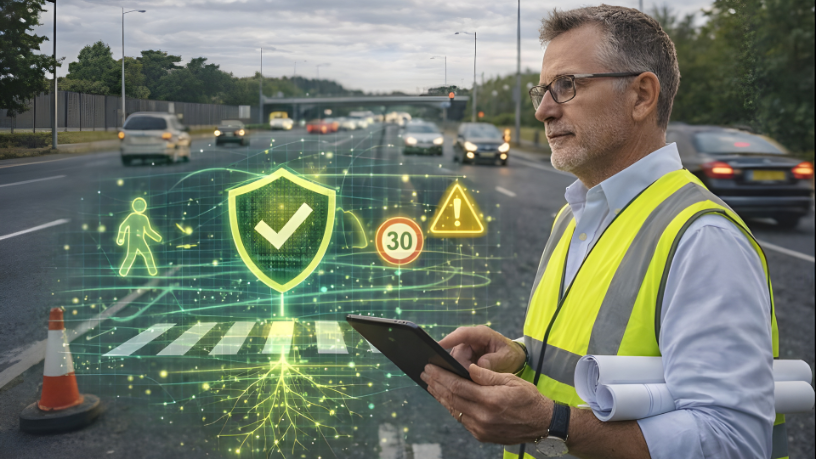

The role of traffic engineering in road safety is fundamental to reducing accidents and making cities safer and more efficient. Business leader Aldo Vendramin follows this topic closely, as he understands that well-planned technical solutions save lives and improve urban mobility. This article provides a clear overview of how traffic engineering works to prevent accidents, its main strategies, how technology supports this process, and why roadway planning is decisive for safety on the roads.
What is traffic engineering and what is its role in road safety?
Traffic engineering is the branch of engineering that studies, plans, and organizes the movement of vehicles, pedestrians, and cyclists. Its main objective is to ensure safe, efficient, and predictable travel, reducing risks and conflicts within the road system. In road safety, traffic engineering acts preventively. It analyzes user behavior, roadway characteristics, and traffic flow to propose solutions that minimize accidents.
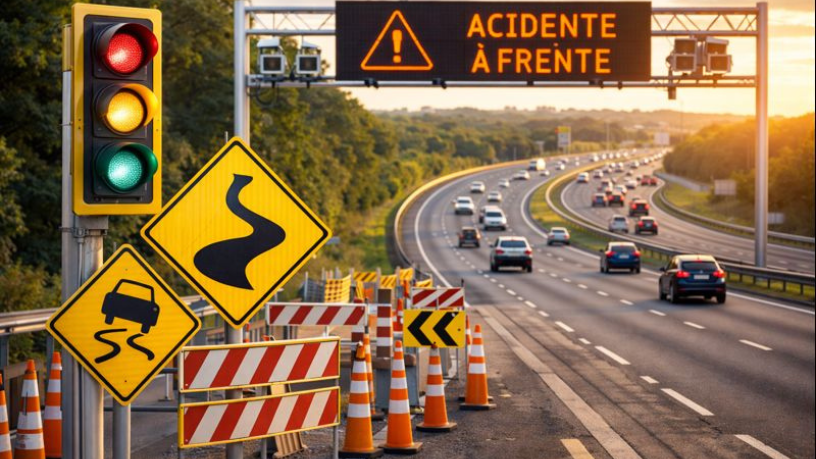
According to Aldo Vendramin, a large share of accidents occurs due to design flaws, inadequate signage, or poorly resolved conflicts between different modes of transportation. Traffic engineering identifies these critical points and proposes interventions that reduce the likelihood of incidents. Measures such as reorganizing intersections, making geometric adjustments, installing roundabouts, and properly defining speed limits are examples of effective actions.
How does road signage contribute to safety?
Signage is one of the main tools of traffic engineering. Signs, pavement markings, traffic lights, and road markings guide users and organize traffic flows. When well designed, signage reduces uncertainty, increases attention, and improves drivers’ decision-making. Traffic engineering defines standards, placement, and visibility for signage, considering factors such as speed, traffic volume, and environmental conditions.
Roadway planning is a strategic stage of traffic engineering. It takes into account urban growth, the distribution of activities, and the integration of different modes of transport. A well-planned road system reduces conflicts and improves traffic flow. By anticipating future demand and organizing the use of urban space, traffic engineering avoids improvised and inefficient solutions. This long-term vision is often highlighted by business leaders like Aldo Vendramin, who recognize the value of technical planning for the sustainable development of cities.
How does technology strengthen traffic engineering?
Technology has significantly expanded the capabilities of traffic engineering. Monitoring systems, sensors, cameras, and analytical software make it possible to track traffic behavior in real time and identify risk patterns. Based on these data, traffic signals can be adjusted, corrective measures implemented, and the effectiveness of interventions evaluated. Data-driven traffic engineering makes decisions more accurate and reduces subjectivity in road safety management.
@aldovendramin O que define os preços das commodities agrícolas? Aldo Vendramin explica! Você já se perguntou por que os preços das commodities variam tanto? Aldo Vendramin analisa os principais fatores que influenciam esse mercado, desde a produção global até a especulação financeira. Descubra como esses elementos se conectam e afetam o setor agrícola com a explicação específica de Aldo Vendramin! #AldoVendramin #QuemÉAldoVendramin #OQueAconteceuComAldoVendramin #EmpresárioAldoVendramin #DonoDaConsilux #ConsiluxTecnologia
Road safety is not limited to motor vehicles. Aldo Vendramin emphasizes that traffic engineering plays an essential role in protecting pedestrians and cyclists, especially in dense urban areas. The creation of well-placed crosswalks, bike lanes, reduced-speed zones, and accessible sidewalks are examples of effective solutions. These measures promote a more balanced coexistence among different road users.
Why is integration with education and enforcement important?
Although traffic engineering is essential, its results are enhanced when integrated with traffic education and enforcement. Well-executed roadway projects must be accompanied by awareness initiatives and compliance with rules. This integration creates a safer and more coherent environment, where infrastructure, behavior, and enforcement work in a complementary way.
In summary, the role of traffic engineering in road safety is decisive in reducing accidents, organizing circulation, and saving lives. This technical and strategic perspective is shared by business leaders such as Aldo Vendramin, who view traffic engineering as an essential pillar for urban quality of life and the sustainable development of cities.
Author: Vania Quimmer