
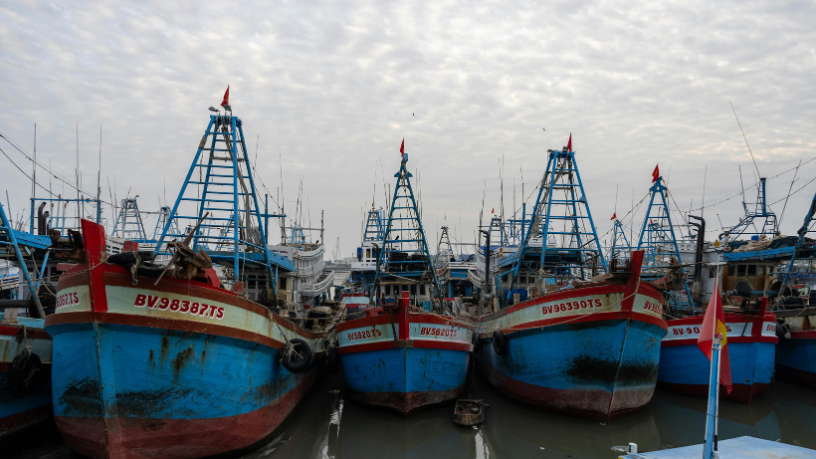

Russian Flags Spread Across a Shadow Fleet and Reshape Global Oil Security in 2026 as maritime routes once considered routine become focal points of geopolitical tension. The growing visibility of vessels operating outside traditional regulatory frameworks has drawn attention to how energy trade adapts under pressure. What appears on the surface as a shift in shipping patterns reflects deeper changes in how oil moves across the world amid sanctions, enforcement gaps, and strategic recalculations.
Russian Flags Spread Across a Shadow Fleet and Reshape Global Oil Security in 2026 because these tankers operate in legal gray zones that challenge existing oversight mechanisms. Many vessels sail with opaque ownership structures, limited transparency, and complex routing designed to obscure cargo origins. This system allows energy flows to continue despite restrictions, while simultaneously complicating efforts by regulators and international authorities to monitor compliance and safety standards.
The expansion of this fleet has direct implications for global markets. Russian Flags Spread Across a Shadow Fleet and Reshape Global Oil Security in 2026 as supply chains adapt to fragmented enforcement. Oil continues to reach buyers, but often through longer routes, higher insurance costs, and increased logistical risk. These hidden inefficiencies ripple through pricing structures, adding uncertainty to an already volatile energy landscape.
Maritime safety concerns are also rising. Russian Flags Spread Across a Shadow Fleet and Reshape Global Oil Security in 2026 as aging vessels and limited inspections elevate the risk of accidents at sea. Environmental damage, port disruptions, and insurance disputes become more likely when ships operate beyond standard regulatory reach. Coastal states and shipping hubs increasingly worry about the consequences of incidents involving vessels that fall outside conventional accountability frameworks.
Geopolitically, the phenomenon signals adaptation rather than isolation. Russian Flags Spread Across a Shadow Fleet and Reshape Global Oil Security in 2026 by demonstrating how sanctioned economies seek alternative pathways to sustain exports. The persistence of these routes challenges assumptions about the effectiveness of economic pressure and highlights the limits of unilateral enforcement in a globalized maritime system.
The role of flags and registries carries symbolic and practical weight. Russian Flags Spread Across a Shadow Fleet and Reshape Global Oil Security in 2026 as national identifiers become tools of strategy rather than mere markers of origin. Flying a familiar flag can deter interference in some regions while inviting scrutiny in others, turning maritime identity into a calculated element of risk management.
For international institutions, the trend raises urgent questions. Russian Flags Spread Across a Shadow Fleet and Reshape Global Oil Security in 2026 by exposing gaps in coordination between sanctions policy, maritime law, and energy regulation. Enforcement relies on cooperation across borders, yet the shadow fleet thrives precisely where coordination weakens. This tension underscores the difficulty of governing global trade through fragmented legal systems.
As 2026 progresses, Russian Flags Spread Across a Shadow Fleet and Reshape Global Oil Security in 2026 as a defining feature of the energy order. The emergence of this parallel shipping network illustrates how geopolitical pressure reshapes logistics rather than halting them. In a world still dependent on oil, the shadow fleet associated with Russia stands as a reminder that energy security increasingly unfolds beyond visible channels, in spaces where law, commerce, and power intersect at sea.
Autor: Vania Quimmer