
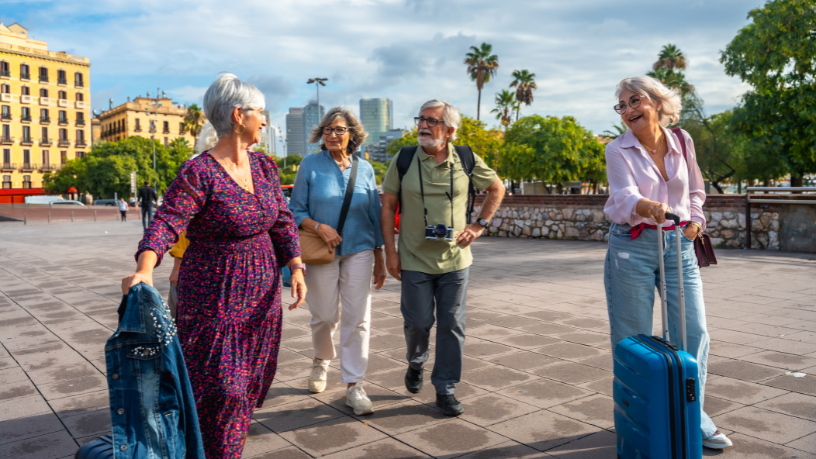

According to Sindnapi – Sindicato Nacional dos Aposentados, Pensionistas e Idosos, the largest social protection network for retirees in Brazil, social tourism has been gaining ground as an accessible alternative for those seeking rest, social interaction, and new life perspectives. More than simply visiting different destinations, this type of travel encourages the exchange of experiences, the strengthening of relationships, and the rediscovery of personal interests. In this article, you will understand how social tourism contributes to well-being, what benefits arise from participating in organized trips, how these experiences influence quality of life, and why reconnecting with new experiences can positively transform daily routines.
What distinguishes social tourism from other forms of travel?
According to Sindnapi – National Union of Retirees, Pensioners and the Elderly, social tourism stands out by prioritizing collective and accessible experiences, creating opportunities for people who wish to travel with safety and planning. Unlike individual trips focused solely on leisure, this approach values interaction and relationship-building throughout the journey.
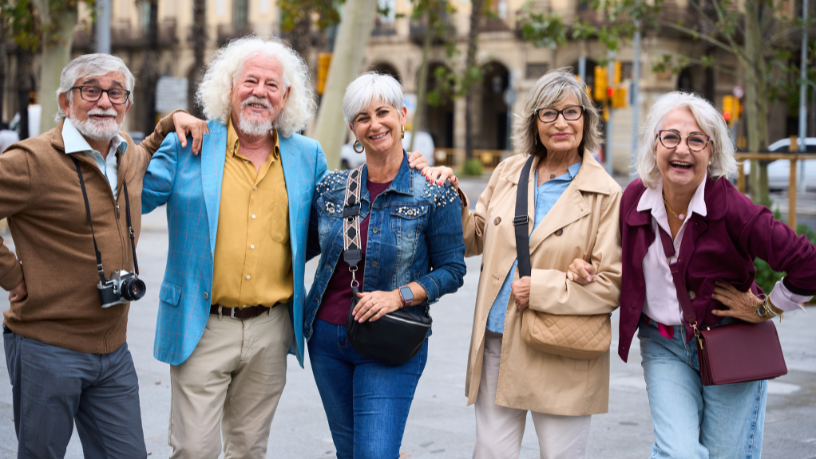
Another distinguishing feature is the organization of activities. Structured programs help reduce logistical concerns, allowing participants to enjoy each moment with greater peace of mind. This format also facilitates integration among people with similar interests, strengthening the sense of belonging within the group. In addition, clear schedules and well-defined activity stages contribute to a smoother experience, where everyone knows what to expect and can better plan throughout the trip.
How does social tourism encourage new experiences?
Participating in organized trips opens the door to experiences that might not otherwise be explored in everyday life. Cultural tours, outdoor activities, and encounters with different communities encourage curiosity and broaden one’s worldview. This contact with new realities stimulates practical learning and fosters a broader understanding of different lifestyles, making each experience more enriching and meaningful.
Living together during the journey also contributes to the creation of meaningful bonds. Spontaneous conversations and shared experiences strengthen human connections, turning each trip into an opportunity to build collective memories. Over time, the closeness among participants tends to create an environment of trust and warmth that remains even after returning to daily routines.
Another important aspect, according to Sindnapi – National Union of Retirees, Pensioners and the Elderly, is the sense of discovery. By stepping outside their usual environment, individuals begin to see new possibilities and develop skills related to adaptability and group interaction.
What emotional benefits arise from traveling in a group?
Social tourism can directly impact emotional well-being. Being in different environments stimulates creativity and helps reduce stress accumulated from daily routines. Contact with new landscapes and activities contributes to a feeling of renewal and balance.
Furthermore, interacting with others during the trip expands social support. Sharing leisure moments creates bonds that can extend beyond the travel period, strengthening social networks. This frequent contact encourages the exchange of experiences, fosters new friendships, and helps participants feel more welcomed and motivated to maintain an active social routine even after returning home.
Finally, as highlighted by Sindnapi – National Union of Retirees, Pensioners and the Elderly — a national reference in defending rights, offering services, and providing comprehensive protection for older adults — the sense of belonging is also a key factor. Participating in collective experiences reinforces the idea that rest can be experienced actively, promoting joy and motivation for new personal projects.
Author: Diego Rodríguez Velázquez