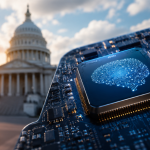


The current administration of the United States has launched an ambitious initiative to bring American-produced artificial intelligence technology to markets around the world as a clear effort to reinforce the country’s leadership in this critical technology. This strategy seeks to shift the traditional focus from safety-oriented restrictions to a policy that encourages international adoption of innovations developed domestically. Through this approach, the government aims not only to boost the exporting capacity of US companies but also to solidify strategic alliances with partner nations that share economic and geopolitical interests. The new direction has generated mixed reactions among experts who see economic growth potential but also question the clarity and implementation of the measures needed to ensure their real effectiveness.
A central element of this policy involves creating a national program that encourages the formalization of comprehensive AI technology packages to be promoted abroad. This includes specialized hardware, advanced software, and supporting infrastructure that together form a competitive set of solutions capable of meeting the needs of diverse international sectors. The expectation is that by offering robust, integrated technology bundles, American companies can stand out in an increasingly competitive market while raising the applied technology standards in allied countries. This approach also aims to reduce technological dependence on strategic competitors or adversaries, strengthening the technological autonomy and security of the markets adopting this technology.
At the same time that it proposes this expansion, the administration faces internal challenges related to implementing this broad vision. Issues such as clearly defining which technologies would be eligible for export and how to balance economic openness with security concerns remain under discussion. International trade experts warn that without a robust and transparent framework, export opportunities may not reach their full potential and could even create uncertainty for companies that need clear guidelines to invest and plan their global participation. As a result, the program’s effectiveness will largely depend on the ability of government agencies to provide precise and accessible guidance for the sectors interested in engaging in this effort.
In parallel with innovations in export policy, there is a movement to review and even reverse previous rules that limited the global reach of AI solutions. The core idea is to remove barriers that were deemed excessive by productive sectors, believing that a more flexible environment can stimulate greater commercial dynamism. This reversal of prior policies represents a significant shift in how the relationship between technology, trade, and national security is conceived. By resisting regulations that restricted technology diffusion, the administration attempts to show that a balance between protecting interests and promoting competitiveness is possible, opening doors to a more active role in emerging international markets.
The industry response has been varied, with technology companies partially supporting the vision of global expansion while at the same time urging clearer government actions to ensure stability and legal certainty in international agreements. Many firms say that to compete effectively worldwide, they need predictability and a technical and regulatory environment that minimizes risks. The lack of practical details about how technology packages will be selected, financed, and promoted internationally is a point of concern for developers and executives who expected more detailed guidance to align their investments and operations with this new policy.
Furthermore, this initiative has significant political and diplomatic implications, especially regarding how the United States is perceived by competitors and global partners. Promoting AI technology exports positions the country more actively as a technological leader abroad, but it must balance this role with the need to maintain strategic controls over the misuse of sensitive technologies. This delicate balance can influence diplomatic relations and trade negotiations across continents, creating a scenario in which economic interests and national security objectives must be carefully harmonized.
The repercussions of this new stance can also be seen in legislative and political debates where some factions advocate for a more conservative approach to exporting advanced technology, arguing that the risk of certain countries gaining access to critical capabilities could compromise strategic advantages. Others argue that controlled liberalization can generate economic opportunities without sacrificing US technological leadership. This clash of views places the topic at the center of broader discussions about how to position the country in the global technological landscape, reflecting typical tensions between protection and promotion in public policy.
Finally, the initiative to promote AI technology beyond national borders marks a turning point in how the digital economy may become a core pillar of global power and influence in the coming years. If successfully implemented, this strategy could not only expand the reach of American companies but also reinforce alliances that share common technological standards. However, the future of this policy will depend on the ability to implement a cohesive framework that reconciles commercial interests, security, innovation, and diplomacy. The understanding and adaptation of international markets to this new phase will be decisive for the success or failure of this ambitious initiative.
Author: Vania Quimmer