
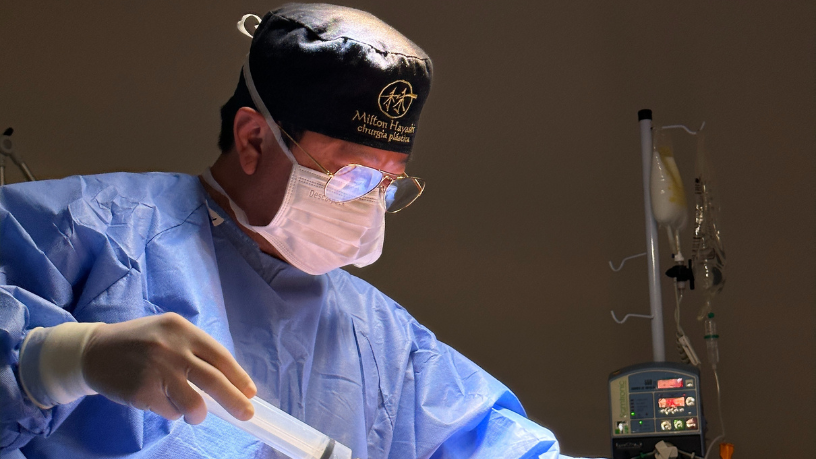

Milton Seigi Hayashi, plastic surgeon, follows the constant evolution of plastic surgery and observes that innovation has shifted from being occasional to becoming a continuous process. New technologies, techniques, and approaches emerge regularly, but not all of them produce a real impact on safety and the quality of outcomes. Therefore, distinguishing meaningful advances from passing trends is essential for responsible practice.
Modern plastic surgery progresses when innovation and sound judgment go hand in hand. True advancement lies in methods that increase predictability, reduce risks, and promote well-being—without compromising ethics or creating unrealistic expectations. This critical perspective protects patients and strengthens trust in the surgical process. In the following lines, you will discover how responsible practice contributes to safer decisions and more consistent results.
Are innovations in plastic surgery occasional or continuous?
Innovations in plastic surgery occur continuously, driven by advances in imaging, materials, minimally invasive techniques, and safety protocols. This movement does not happen in isolation, but as a result of research, clinical practice, and ongoing professional improvement.
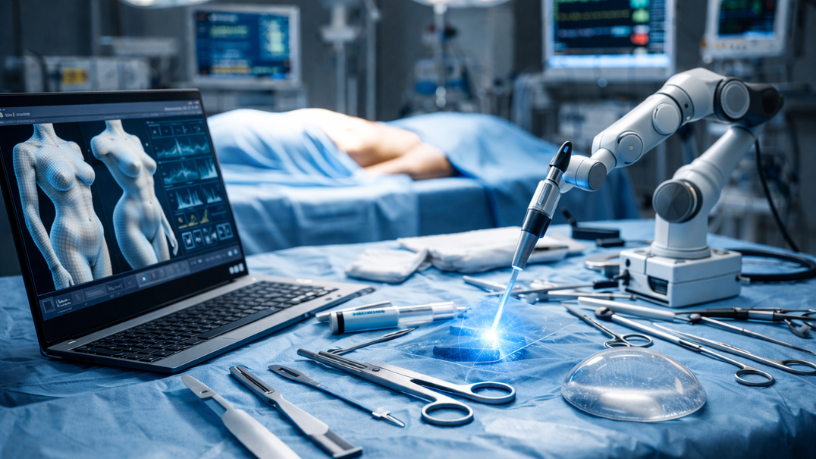
Milton Seigi Hayashi emphasizes that evolution does not mean abandoning what already works, but rather progressively refining it. The plastic surgeon observes that small improvements, when combined, produce significant gains in safety and predictability. In this context, staying updated is part of professional responsibility, as it enables the delivery of more appropriate solutions aligned with each patient’s profile and the best practices of modern medicine.
How can new technologies and techniques attract more patients?
Innovative technologies and techniques tend to attract patients when they are presented clearly and responsibly. Tools that improve planning, recovery, and communication increase trust and reduce anxiety for those seeking surgical procedures, Hayashi explains.
Patients are more informed and value approaches based on safety and natural results. The plastic surgeon notes that innovation, when properly explained, supports more conscious decision-making. However, technology should not be used merely as a marketing strategy. The focus must remain on real patient benefits, predictable outcomes, and comprehensive care throughout the entire process.
@miltonseigihayash Rinoplastia do aberto ao ultrassônico: visão de Milton Seigi Hayashi Milton Seigi Hayashi explora as principais inovações na rinoplastia, comparando técnicas abertas e ultrassônicas. Neste vídeo, ele mostra como o avanço tecnológico na cirurgia nasal melhora a precisão, reduz complicações e oferece resultados estéticos superiores, ajudando pacientes e profissionais a compreenderem as tendências atuais da cirurgia plástica. #MiltonSeigiHayashi #QuemÉMiltonSeigiHayashi #OQueAconteceuComMiltonSeigiHayashi #MédicoMiltonSeigiHayashi #CirurgiãoPlásticoMiltonSeigiHayashi
♬ som original – Milton Seigi Hayashi – Milton Seigi Hayashi
Why are techniques focused on natural results and well-being gaining prominence?
The emphasis on natural results reflects a shift in patient expectations and in the understanding of desired outcomes. Milton Seigi Hayashi explains that there is an increasing demand for harmony, proportion, and preservation of individual characteristics rather than excessive transformations.
This trend is directly linked to safety and well-being. Plastic surgeons observe that more conservative techniques, combined with thorough planning, reduce risks and promote smoother recoveries. Hayashi believes that long-term satisfaction is associated with results that respect the patient’s body and identity.
This approach strengthens self-esteem in a balanced way and fosters a healthier relationship with plastic surgery.
Can reconstructive plastic surgery be indicated for all patients?
Reconstructive plastic surgery focuses on restoring function, relieving discomfort, and improving quality of life. Its indication depends on individual evaluation, considering goals, clinical conditions, and patient expectations.
Not all cases are the same, and indication must be made with careful judgment. The plastic surgeon, Milton Seigi Hayashi, explains that physical, emotional, and contextual factors influence the decision. Reconstructive techniques do not aim to standardize results but to address specific needs, always prioritizing safety and real benefit. Careful evaluation ensures that the procedure is appropriate and aligned with the patient’s well-being.
How do innovation, ethics, and safety connect in the future of plastic surgery?
The future of plastic surgery depends on integrating innovation, ethics, and safety. Technologies continue to advance, but they must be guided by principles that protect patients and preserve medical responsibility.
Finally, Milton Seigi Hayashi argues that bioethics is the guiding axis of this balance. The plastic surgeon believes that innovating responsibly means evaluating risks, respecting patient autonomy, and prioritizing human care. True progress lies not only in new tools, but in how they are applied. When innovation and ethics move together, plastic surgery strengthens itself as a safe, predictable practice oriented toward patient well-being.
Author: Diego Rodríguez Velázquez