
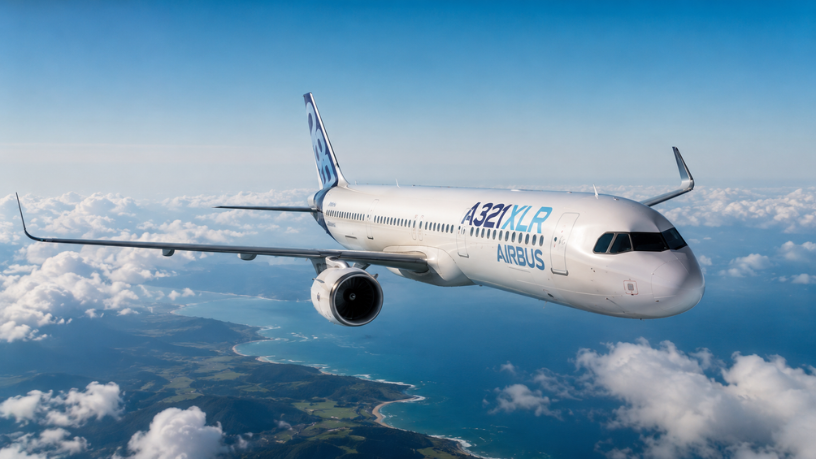

The arrival of the Airbus A321XLR represents one of the most significant developments in commercial aviation in recent years. As airlines seek to reduce costs, improve efficiency, and expand international routes, this new generation of long-range aircraft has emerged as a strategic solution to meet changing passenger expectations and evolving economic realities. This article explores how the Airbus A321XLR is influencing airline strategies, reshaping global route networks, and creating new opportunities for international connectivity.
The aviation industry is undergoing a period of profound transformation. After years of operational challenges, rising fuel costs, and shifting travel demand, airlines have increasingly focused on flexible business models that can maintain profitability while enhancing the passenger experience.
Within this environment, the Airbus A321XLR has gained considerable attention for delivering a combination of capabilities that was once difficult to achieve. The aircraft offers long-haul range while utilizing a smaller, narrow-body design compared with the wide-body jets traditionally used on international routes.
This capability represents an important shift for the industry. Historically, intercontinental flights required large aircraft to justify operating expenses. The A321XLR allows airlines to serve smaller markets and establish direct connections between cities that previously lacked sufficient demand to support conventional long-haul operations.
The result is a new approach to network expansion. Rather than funneling passengers through major hub airports before connecting them to their final destinations, airlines can offer more direct and convenient routes. This trend reduces travel times, improves customer satisfaction, and enhances the competitiveness of carriers adopting this strategy.
Beyond operational flexibility, fuel efficiency has become one of the strongest advantages of the Airbus A321XLR. Its lower fuel consumption helps reduce operating expenses, a critical factor in an industry highly sensitive to fluctuations in energy prices.
The drive for greater efficiency is not solely about profitability. Environmental considerations now play an increasingly important role in airline decision-making. Governments, investors, and consumers are placing greater emphasis on sustainability, encouraging the aviation sector to invest in technologies that reduce emissions and improve environmental performance.
In this context, modern aircraft are becoming essential assets. The combination of lower fuel consumption and extended range enables airlines to advance sustainability goals without sacrificing network growth and expansion opportunities.
Another important aspect is the economic impact generated by increased international connectivity. When new routes become viable, cities that were previously considered secondary markets gain direct access to major global destinations. This development supports tourism, encourages international business activity, and strengthens economic integration across regions.
The ability to connect mid-sized cities directly to key international markets can create substantial benefits for local economies. Businesses gain new commercial opportunities, investors find easier access to emerging markets, and travelers enjoy more efficient long-distance travel options.
The growing adoption of the Airbus A321XLR also highlights a broader change in how airlines view long-term investments. For decades, international expansion was closely linked to acquiring larger aircraft. Today, flexibility and the ability to adjust capacity quickly in response to market conditions have become top priorities.
This transformation reflects a reality that is increasingly shaping the global aviation industry. Success is no longer determined solely by the number of available seats but by the ability to operate profitable routes, serve targeted markets, and respond rapidly to economic and consumer trends.
At the same time, competition among aircraft manufacturers continues to evolve. The race to develop more efficient solutions is driving technological innovation that benefits airlines, passengers, and airports alike. Creating aircraft capable of combining range, efficiency, and versatility has become one of the industry’s most important objectives.
The increasing adoption of aircraft such as the Airbus A321XLR suggests that the future of commercial aviation will be defined by smarter and more adaptable operations. Rather than relying exclusively on large international hubs, airlines are likely to build more diversified networks that connect markets previously excluded from major global travel flows.
This evolution demonstrates that innovation in aviation is about far more than building advanced aircraft. It is about creating new mobility opportunities, expanding economic possibilities, and making air travel more efficient for both passengers and operators. As global connectivity continues to expand, technologies that successfully combine range, efficiency, and flexibility will play a critical role in shaping the next generation of international travel.
Autor: Diego Velázquez