
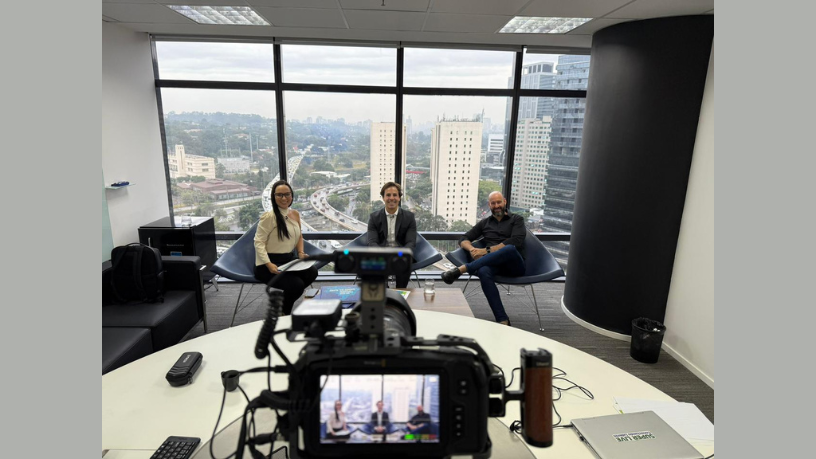

As founder Ian Cunha points out, the power of the basics shows up when an entrepreneur realizes that performance isn’t a trick—it’s stability. If you’re looking for more predictable mental energy, clearer decisions, and less fluctuation throughout the week, keep reading and understand why hydration, sleep, and training take priority over any hack.
The Body as an Operating System: Why the Basics Rule
Hydration, sleep, and physical activity are fundamental to attention, mood, and decision-making. This connection isn’t just philosophical; it’s biological. Dehydration compromises the brain’s cognitive performance. Lack of sleep impairs working memory and increases impulsivity. Lack of movement reduces the effectiveness of stress regulation and weakens focus.

From serial entrepreneur Ian Cunha’s perspective, the basics represent a form of effective governance. They protect leaders from a common mistake under pressure: trying to compensate for fatigue with stimulants. While stimulants may create a temporary sense of energy, they don’t restore stability. And it’s stability that underpins sound judgment.
Hydration: The Overlooked Detail That Changes Perception
Hydration is often treated as something too simple to be strategic. Yet it directly influences energy levels, headaches, irritability, and the ability to concentrate. On long days, even mild dehydration is enough to reduce mental performance, because the body shifts into a conservation mode and the brain loses efficiency.
For founder Ian Cunha, the point isn’t to glamorize water, but to understand that the body operates on parameters. When those parameters are off, the mind pays the price. And when the mind pays the price, decisions become shorter, conversations more reactive, and the schedule feels heavier than it should.
Sleep: The Real Hack No One Wants to Treat as a Priority
Sleep is the most underestimated resource among entrepreneurs. It’s not just rest; it’s reconstruction. During sleep, the brain consolidates memory, regulates emotion, and “cleans up” cognitive noise. When sleep is reduced, leaders lose their ability to weigh options and start acting more on impulse.
As CEO Ian Cunha observes, one bad night won’t destroy a business, but a pattern of bad nights creates a less reliable leader. The person keeps working, but with less depth. They respond quickly, but think less. In competitive markets, that’s costly, because speed without quality leads to rework and cultural wear.
Training: Movement as a Regulator of Stress and Focus
Training isn’t just about aesthetics. It regulates the nervous system, improves mood, and increases the ability to sustain attention. A body in motion produces stability that translates into clarity. On the other hand, lack of movement tends to raise baseline tension, which shows up as impatience, anxiety, and difficulty focusing.
In the view of general superintendent Ian Cunha, training is an investment in better decisions. It reduces the emotional cost of the day, improves tolerance, and creates a kind of clean energy, different from artificial stimulation. This doesn’t mean living at high intensity; it means keeping the body functional so the mind can lead.
The Power of the Basics: Why It Beats Hacks in the Long Run
The power of the basics isn’t a simplistic message—it’s a strategic one. Hydration, sleep, and training create physiological stability, and physiological stability creates mental clarity. Any hack that claims to replace these pillars is bound to fail, because the body doesn’t negotiate with shortcuts. Sustainable performance is born from repeating the essentials. When the basics are in order, everything else becomes refinement. When the basics are in chaos, everything else becomes an illusion.
Author: Vania Quimmer