
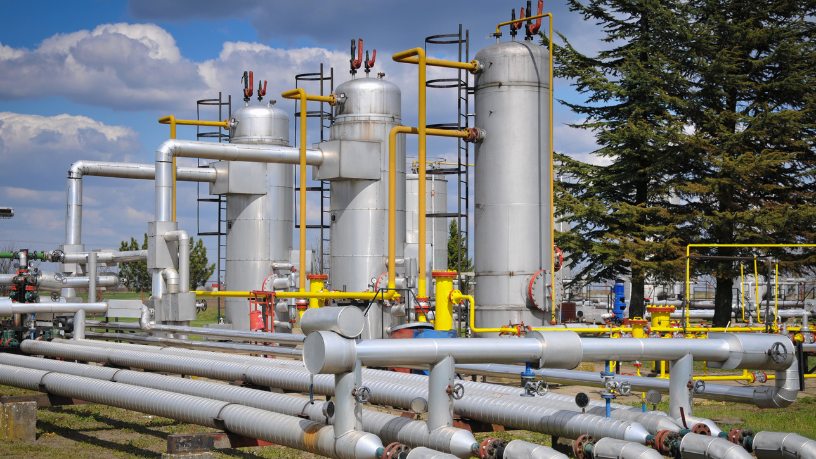

The renewable natural gas (RNG) market in North America reached a significant milestone in 2025, with a record 130 new production facilities added. This growth reflects not only the increasing demand for clean energy sources but also the consolidation of RNG as a strategic component in the energy transition, with the potential to reduce greenhouse gas emissions and enhance regional energy security. This article examines the factors driving this expansion, the challenges that remain, and practical opportunities for industries and governments.
RNG, produced from organic waste such as agricultural manure, food waste, and sewage sludge, represents a sustainable alternative to fossil natural gas. The progress seen in 2025 demonstrates that the industry is overcoming technical and regulatory barriers while benefiting from public policies and financial incentives for renewable energy. The substantial increase in facilities indicates that companies and investors recognize RNG’s strategic value, both environmentally and economically.
One of the key drivers of sector growth is increasing regulatory pressure to reduce carbon emissions, especially in U.S. states with ambitious carbon neutrality targets. RNG production not only captures methane that would otherwise be released into the atmosphere but also provides an energy source that can integrate with existing gas infrastructure, reducing adaptation and transport costs. This characteristic makes RNG attractive to energy distributors, transport operators, and fleet managers seeking to meet sustainability goals.
In addition, investments in purification and liquefaction technologies have expanded RNG’s practical applications, including heavy-duty transportation, such as long-haul trucks that have historically relied on fossil fuels. By replacing diesel and conventional natural gas with RNG, logistics companies can significantly cut carbon emissions while taking advantage of tax incentives and carbon credits. This practical integration of technological innovation and public policy strengthens the argument that RNG is not only an environmental solution but also a tangible economic opportunity.
Despite rapid growth, the sector faces structural challenges. RNG production involves complex processes including collection, processing, and distribution of organic waste, requiring careful logistical planning and infrastructure investment. Economic viability depends on proximity to waste sources and local demand for renewable energy. Furthermore, regulatory standardization and certifications ensuring gas quality and traceability are essential to building market confidence.
However, the record increase in facilities in 2025 also signals growing industry maturity. Companies are learning to optimize processes, reduce operational costs, and explore business models that combine energy production with waste management. This knowledge creates a multiplier effect, attracting new investments and strategic partnerships with farmers, energy utilities, and transportation operators. The convergence of interests demonstrates that RNG could become a central component of North America’s energy mix.
The sector’s growth also has significant social impacts. New facilities generate local jobs in engineering, construction, operations, and maintenance. Additionally, valorizing organic waste promotes sustainable practices in agriculture and urban waste management, reducing environmental impacts and improving community quality of life. These effects show that RNG expansion is not only an energy issue but also a tool for regional development and social sustainability.
Looking ahead, RNG consolidation will depend on continued supportive policies, technological innovation, and expansion of consumer markets. The industry must focus on solutions that increase production efficiency, reduce costs, and integrate RNG competitively with other renewable sources. Public-private cooperation will be critical in creating a stable and reliable environment capable of sustaining the growth pace observed in 2025.
The remarkable growth of RNG in North America confirms that renewable energy can become a strategic pillar for both the economy and sustainability. With appropriate policies, technological innovation, and intelligent business models, the sector has the potential to transform the energy matrix, reduce emissions, and create lasting economic value. The trajectory of 2025 clearly indicates that RNG is ready to establish itself as a viable and strategic alternative, connecting environmental, economic, and social development.
Autor: Diego Velázquez