
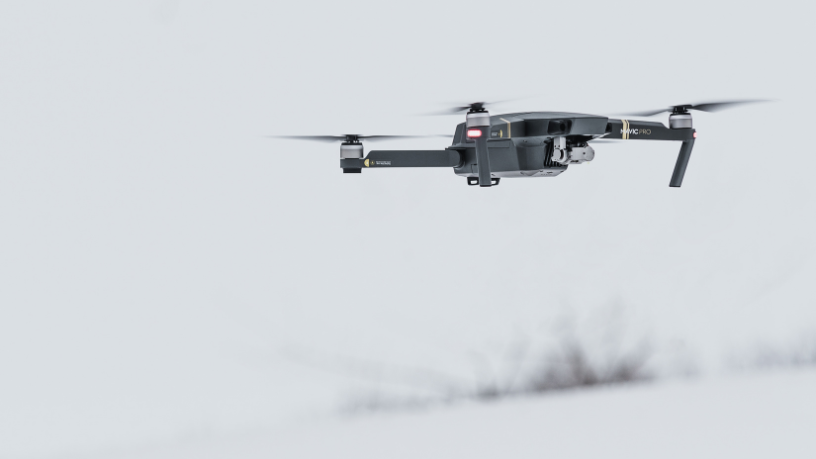

The attack of a drone on a British military base in Cyprus highlights vulnerabilities in strategic installations and the growing role of unmanned technology in contemporary conflicts. This event emphasizes not only the complexity of modern air defense but also raises practical questions about prevention, intelligence, and security protocols in high-risk areas. This article analyzes the impact of the incident, the global context of military drone use, and the implications for the protection of bases and military operations.
The increasing use of drones in military operations has significantly changed the dynamics of security. Unmanned equipment can perform reconnaissance, surveillance, or strike missions with high precision, reducing exposure for personnel in conflict scenarios. However, the accessibility of this technology also increases risk, as non-state actors or sophisticated adversaries can deploy drones to target strategic assets, gather sensitive information, or disrupt operations. The Cyprus attack reflects this reality: even installations protected by advanced systems can be vulnerable to rapid and coordinated actions.
Beyond immediate impact, incidents like this influence strategic and security decision-making. Military bases in geopolitically sensitive regions must consider not only conventional threats but also asymmetric attacks that exploit technological or operational gaps. Assessing vulnerabilities requires continuous intelligence analysis, scenario simulations, and adaptation of defensive protocols. The use of drones to target a base reinforces the need to integrate detection systems, neutralization tools, and real-time response capabilities to ensure effective protection without compromising operational readiness.
From a practical perspective, responding to drone attacks involves multiple levels of action. Radar systems and specialized sensors allow the identification of unmanned aircraft and monitoring of flight paths, while electronic countermeasures can disable or redirect drones before they reach sensitive targets. This approach requires continuous investment in technology, specialized training, and coordinated procedures across security units. The Cyprus incident demonstrates that the effectiveness of these measures is critical to preserving lives, safeguarding equipment, and maintaining the integrity of military operations.
Strategically, the event highlights the importance of adaptable security policies. Military installations cannot rely solely on physical barriers or rigid perimeters; they must combine intelligence, active surveillance, and rapid alert protocols. Continuous monitoring of emerging threats, coupled with risk analysis and simulation exercises, enables military bases to respond efficiently to drone attacks, minimizing damage and reinforcing confidence in the protection of personnel and critical assets.
The use of drones in military operations also has geopolitical implications. The Cyprus incident occurs in a global context of tension between nations and groups with conflicting strategic interests. The ability to carry out precise attacks from a safe distance increases the complexity of international relations, requiring constant monitoring of adversaries’ movements and intentions. Furthermore, such actions show that technology redefines traditional concepts of sovereignty and security, making air defense a priority not only militarily but also diplomatically.
For the civilian public, attention to incidents like this emphasizes the broad and multifaceted impact of emerging technologies. Drones, initially used for recreational or commercial purposes, have become tools with strategic impact, influencing political, military, and economic decisions. The event highlights the need for regulation, oversight, and the development of defensive capabilities to balance technological innovation with security in sensitive areas.
Looking at the broader context, the drone attack in Cyprus serves as a warning about the increasing sophistication of unconventional threats. Military bases and strategic operations need to integrate technological planning, intelligence protocols, and continuous adaptation to the changing global scenario. The ability to anticipate risks and implement rapid responses is a decisive factor in protecting critical assets and maintaining operational stability in high-risk regions.
The incident also shows that modern security relies on the combination of advanced technology and strategic management. It is not only about neutralizing isolated threats but also creating resilient systems capable of responding to multiple attacks simultaneously. Constant adaptation, specialized training, and intelligence integration are essential elements for military installations to effectively face challenges posed by drones and other emerging technologies.
The Cyprus incident demonstrates that technological evolution is transforming how security and defense are conceived, requiring fast, strategic, and innovative responses. Protecting modern military bases requires not only surveillance and physical countermeasures but also risk assessment, threat anticipation, and integration of complex systems. This approach reflects the need to align technology, strategy, and operations to address the challenges of an increasingly dynamic and unpredictable military environment.
Autor: Diego Velázquez