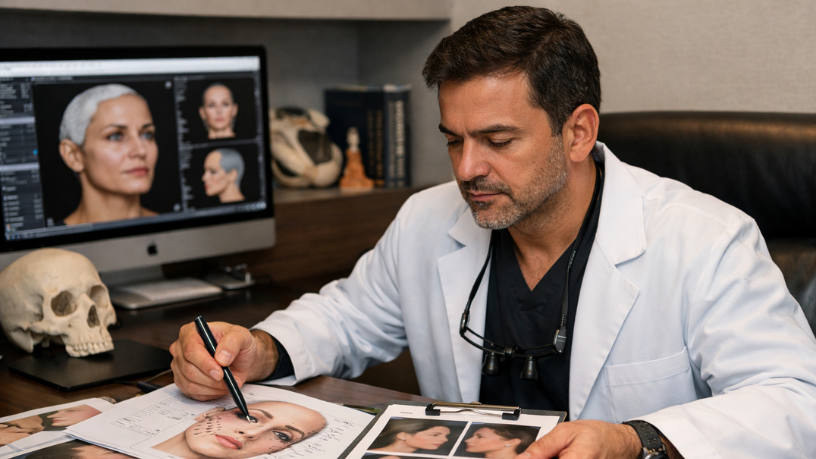

According to physician Haeckel Cabral Moraes, contemporary plastic surgery has increasingly focused on patient individualization, considering not only aesthetic aspects but also anatomical and clinical characteristics. Each person presents particularities that directly influence the choice of technique and the type of approach adopted. In this context, personalized planning has become a central element in achieving balanced results compatible with the patient’s body type.
This scenario highlights that there is no single procedural model applicable to all cases. Surgical planning involves detailed analysis and strategic decisions based on multiple factors. In this article, we will explore how this process of individualization occurs, which criteria are considered, and why this stage directly influences the final outcome.
How does individualization impact the indication for plastic surgery?
Initially, it is important to understand that the indication for surgery depends on a careful evaluation of the patient’s condition. According to Haeckel Cabral Moraes, factors such as medical history, lifestyle habits, and anatomical characteristics must be analyzed before any decision is made.
In addition, not every aesthetic desire can be addressed in the same way for all patients. Some conditions require technical adaptations, while others may indicate the need for different approaches. In this sense, plastic surgery becomes guided by personalized criteria. Thus, the indication is no longer standardized and begins to consider the specific characteristics of each case.
How does the patient’s body type guide the planning?
Body type has a direct influence on the surgical strategy. The analysis of proportions, skin quality, and fat distribution allows the approach to be adjusted more precisely. These elements help determine which techniques may provide the best results.
Haeckel Cabral Moraes explains that each patient responds differently to procedures, reinforcing the need to adapt the plan. Two individuals with similar goals may require different approaches. Therefore, plastic surgery is conducted based on individuality. In this way, the planning aims to respect the patient’s body.
How does dialogue with the patient contribute to more accurate decisions?
Communication between physician and patient is an essential part of surgical planning. Haeckel Cabral Moraes emphasizes that the consultation allows for understanding expectations and clarifying doubts about the procedure. During this process, the patient has the opportunity to express their goals and understand the technical limits of the surgery.
This alignment reduces the risk of unrealistic expectations. In this context, plastic surgery becomes a collaborative process. Decisions are made based on clear information, making the planning more consistent and transparent.
Why is technical planning decisive for the final result?
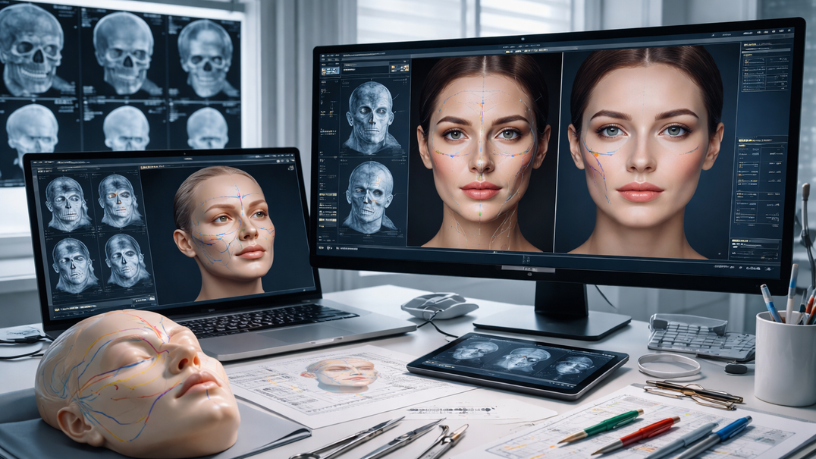
Technical planning organizes all stages of the procedure before it is performed. The definition of the surgical technique, required resources, and execution strategies depends on this preparatory phase. According to Haeckel Cabral Moraes, this process contributes to greater predictability.
In addition, anticipating possible anatomical variations helps reduce uncertainties during surgery. This preparation makes the procedure more controlled. Thus, plastic surgery is no longer conducted empirically. Each stage follows a structured plan, leading to more consistent results.
How does individualized planning contribute to natural results?
Individualized planning represents one of the main advances in modern plastic surgery. By considering the specific characteristics of each patient, the procedure can be performed in a more balanced way. Ultimately, personalization allows plastic surgery to respect the patient’s body type and identity. Detailed analysis and technical preparation contribute to more harmonious results, aligned with expectations and individual conditions.
Author: Diego Rodríguez Velázquez