
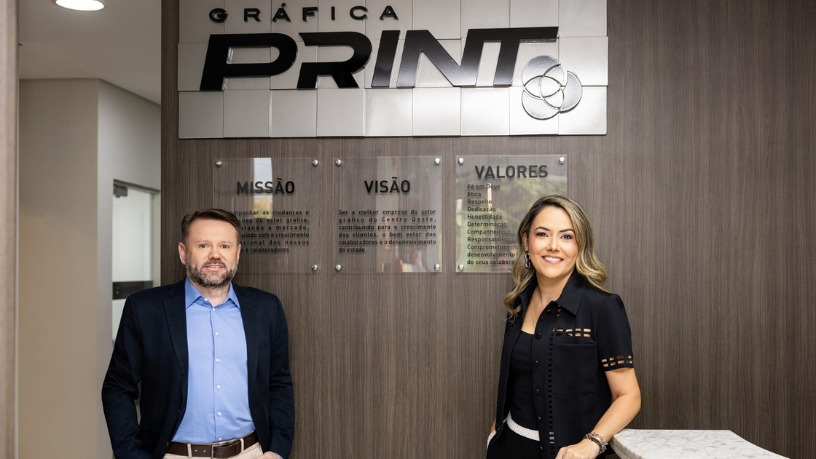

Dalmi Fernandes Defanti Junior, a specialist in graphic production, explains that the quality of the briefing is the factor that most influences the final outcome of a graphic project, regardless of the technology or talent involved in its execution. Every project begins long before the first print is produced: it starts when the client and the production team align their objectives, expectations, and guidelines that will shape every decision throughout the process. Ignoring this stage or handling it superficially is the most common—and most costly—mistake a company can make in graphic production.
In this article, you will understand why the briefing is so important, how to build it effectively, and how this initial stage determines the success or failure of any graphic production project.
Why Is the Briefing the Most Important Stage of a Graphic Project?
A graphic project without a clear briefing is like a journey without a defined destination. It may be interesting, but it is unlikely to arrive where it needs to go. The briefing is the document that aligns expectations, defines objectives, and establishes the parameters within which all creative and production work will take place. Without it, the risk of rework, waste, and customer dissatisfaction increases exponentially.
According to Dalmi Fernandes Defanti Junior, a well-structured briefing saves time, reduces costs, and significantly increases the likelihood that the final product will meet or exceed the client’s expectations. It functions as an informal agreement between all parties, ensuring that everyone is working with the same understanding of what needs to be delivered and why.
Moreover, the briefing provides a valuable opportunity for clients to reflect on their own objectives. In many cases, answering the questions in a well-designed briefing helps clients clarify what they truly need, preventing mid-project changes that can compromise deadlines and budgets.
What Should an Effective Briefing Include?
An effective briefing does not need to be lengthy, but it must be comprehensive. It should answer the fundamental questions that guide every creative and production decision throughout the project.
Among the essential elements of a high-quality graphic briefing are:
- Project objective: What the piece needs to communicate and what response is expected from the audience.
- Target audience: Who will receive or consume the material and what their characteristics and expectations are.
- Visual identity: Guidelines regarding colors, typography, and style that the piece must follow.
- Technical specifications: Format, size, quantity, paper type, and desired finishing options.
- Timeline and budget: Parameters that define the creative and production possibilities of the project.
As Dalmi Fernandes Defanti Junior highlights, Gráfica Print has developed a structured briefing process that guides clients through these questions efficiently and without unnecessary bureaucracy. The goal is to ensure that every project begins with the highest possible level of clarity, creating the conditions for a final delivery that truly meets the client’s needs.

How Can a Poorly Constructed Briefing Compromise a Project?
Problems that arise during graphic production often originate from incomplete or poorly interpreted briefings. When expectations are not clearly defined from the beginning, every creative decision becomes a gamble, and the risk that the final result will not match the client’s vision becomes significantly higher.
The most common symptoms of an inadequate briefing include multiple rounds of revisions that consume time and increase costs, changes in direction during the project that disrupt planning, and, in the worst-case scenario, a final product that must be completely redone. All of these issues carry costs that go beyond financial losses: they affect the relationship between client and supplier and undermine trust, which is the foundation of any lasting business partnership.
A Good Briefing Starts with the Right Partner
Dalmi Fernandes Defanti Junior concludes that a quality graphic partner does more than simply receive a briefing—it helps build it. Asking the right questions, identifying gaps, and offering perspectives the client may not have previously considered are all part of the service provided by a company that positions itself as a strategic partner rather than just a printing supplier.
To experience this level of partnership, visit graficaprint.com.br and learn more about Gráfica Print’s services. You can also follow @dalmidefanti on Instagram for content related to graphic production, management, and visual communication.
Author: Diego Rodríguez Velázquez