
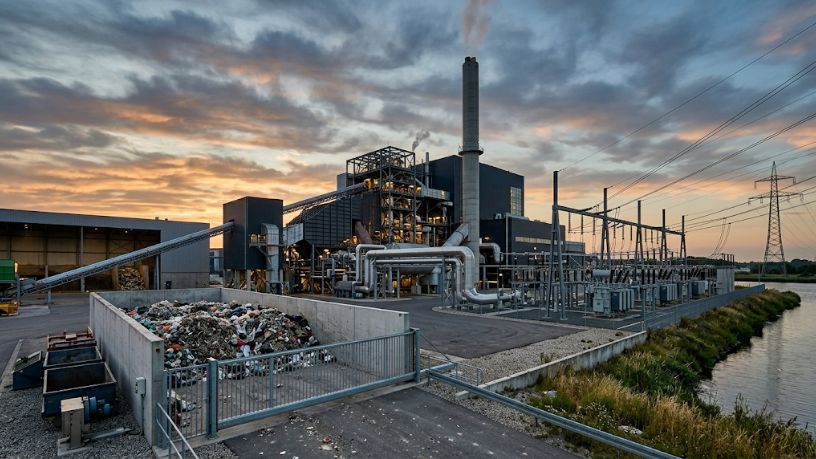

Environmental engineer Felipe Schroeder dos Anjos explains that the Waste-to-Energy (WtE) model converts municipal solid waste into electricity through controlled combustion. Once considered a distant alternative, this technology has become an increasingly important part of the discussion on waste management in Brazil. Curious to learn more? In the following sections, we’ll explore how controlled combustion with energy recovery works, the steps that ensure environmental safety, and why this approach is gaining momentum across the country.
What Is the Waste-to-Energy Model and Why Is It Expanding in Brazil?
The term refers to facilities that receive municipal solid waste, incinerate it in high-temperature furnaces, and use the resulting heat to generate steam. This steam drives turbines connected to electrical generators, producing electricity that can be supplied to the local power grid.
The growing adoption of this model in Brazil is largely driven by the shortage of available land for new landfills in major urban centers. As Felipe Schroeder dos Anjos points out, increasing pressure to reduce the amount of waste sent to landfills has made energy recovery an increasingly attractive option for public administrators.
How Does the Controlled Combustion and Energy Recovery Process Work?
The process begins with the prior separation of recyclable and hazardous materials, ensuring that only suitable residual waste is directed to the combustion chamber. The waste is then continuously fed into furnaces operating at temperatures above 850°C (1,562°F), a level that ensures the destruction of harmful organic compounds.
The heat generated during combustion is used to heat water in boilers, producing high-pressure steam. This steam powers turbines connected to electric generators, converting thermal energy into electricity. According to environmental engineer Felipe Schroeder dos Anjos, the efficiency of this cycle depends directly on strict control of both the combustion temperature and the residence time of gases inside the combustion chamber.
What Measures Ensure Environmental Safety During Combustion?
No Waste-to-Energy facility can operate responsibly without a robust air emissions treatment system. This treatment occurs in multiple stages, each designed to remove a specific type of pollutant before gases are released into the atmosphere. These stages include:
- Electrostatic precipitators: Capture fine particulate matter suspended in combustion gases.
- Flue gas scrubbers: Neutralize acidic compounds through controlled chemical reactions.
- Activated carbon injection: Removes heavy metals and persistent organic pollutants.
- Continuous emissions monitoring: Tracks emission parameters in real time to ensure regulatory compliance.
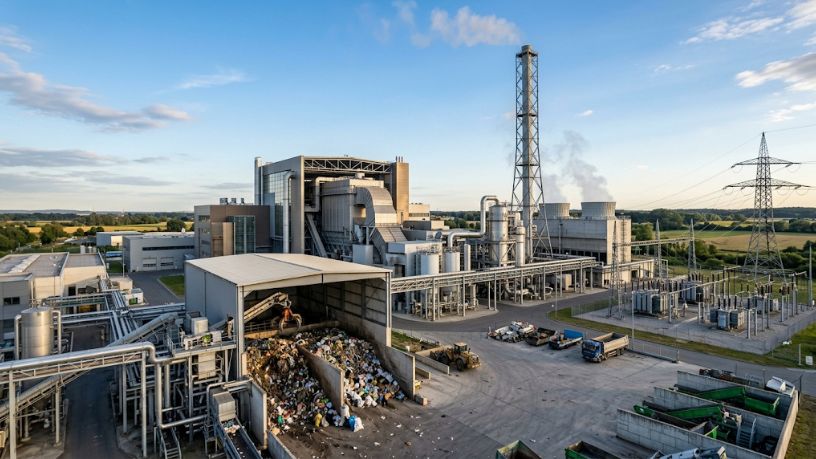
These treatment systems operate as an integrated process, and failure at any stage can compromise the effectiveness of the entire emissions control system, as Felipe Schroeder dos Anjos emphasizes. For this reason, operating these facilities requires highly specialized technical teams and regular environmental audits.
Practical Benefits for Cities and the Power Sector
Generating electricity from waste provides a relatively predictable energy source compared to other renewable technologies that rely directly on weather conditions. This allows Waste-to-Energy plants to complement intermittent energy sources, helping stabilize the electrical grid during periods of reduced solar or wind generation.
In addition, according to environmental engineer Felipe Schroeder dos Anjos, reducing the volume of waste sent to landfills also decreases methane emissions, a greenhouse gas produced during the anaerobic decomposition of organic matter. This combination of electricity generation and greenhouse gas mitigation positions Waste-to-Energy as part of a broader urban sustainability strategy rather than simply a waste disposal solution.
The Role of Waste-to-Energy in the Next Decade of Urban Sanitation
The expansion of Waste-to-Energy facilities should not be viewed as a replacement for recycling but rather as a complementary step within the waste management hierarchy, which prioritizes waste reduction, reuse, and recycling before energy recovery through combustion. Consequently, the success of this model depends on municipalities’ ability to integrate efficient recycling programs with energy recovery for the remaining non-recyclable waste.
With this in mind, the challenge for the coming decade is not solely technological but also one of urban planning: determining where to build these facilities, how to finance them, and how to communicate the real benefits of controlled combustion to the public. When these elements come together, waste ceases to be merely a logistical problem and becomes a valuable component of the urban energy mix.