
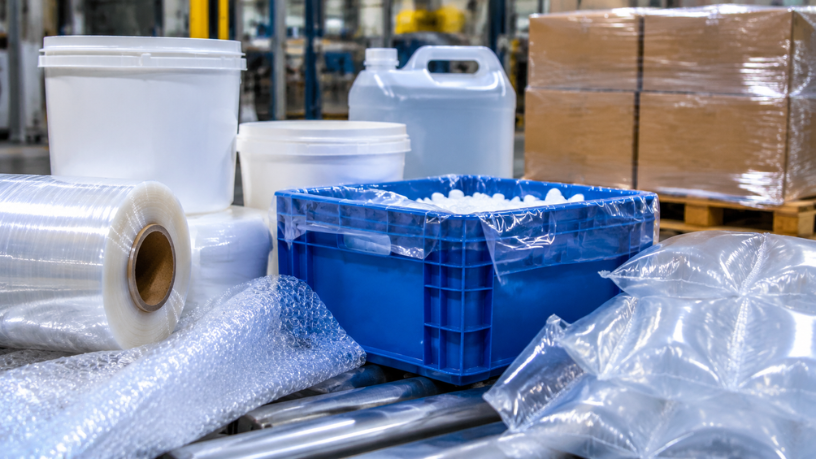

A good share of the plastic packaging used in industry is made of a polymer, a type of plastic that can, in fact, return to the production chain. Elias Assum Sabbag Junior, a specialist in plastic packaging, treats corrugated plastic as a material that should be judged by its use and its final destination, not by outdated impressions. The debate over plastic and the environment mixes solid information with ideas repeated without fact-checking, and separating one from the other helps those who buy, those who manufacture, and those who dispose.
Is corrugated plastic always disposable?
No. In many operations, corrugated plastic sheet is designed to circulate several times between factory and buyer, which sets it apart from single-use packaging. In practice, a box that makes dozens of trips generates less waste per unit transported than a series of packages that go in the trash after the first delivery.
The answer depends on how the logistics flow is designed. In operations with an organized return of packaging, the sheet comes back clean and intact, and the cost is spread out over the cycles of use. When there is no return, the material loses this advantage, and the environmental balance comes to depend on another stage, disposal, which must be planned from the moment of purchase.
Can corrugated plastic not be recycled?
It can, and corrugated plastic is a good example. The sheet is usually made of polypropylene, a resin that, when separated and clean, can be ground up and reused to make new products. The point of concern is contamination: leftover glue, labels, excess ink, and residue from the transported product make the process harder and can cause the batch to lose value for the recycler.
In the view of Elias Assum Sabbag Junior, recyclability begins with the choice of material and with care in what is applied to it. Whoever specifies the packaging already decides, in a way, whether it will have a path back, because mixing different materials in a single piece makes separation more complicated down the line.
Does recycled resin make packaging fragile?
Not always, and this is one of the most common questions. Recycled resin can be part of the sheet’s composition, but the result depends on the quality of the raw material and on the control exercised by the manufacturer. Material of uncertain origin tends to produce sheets with irregular behavior, whereas a well-selected and tested input maintains performance consistent with the intended use.
For this reason, the buyer does well to ask for tests and information on the proportion of recycled material, rather than accepting or rejecting the idea in advance. It is also important to record the batch and the parameters of the material received, because this documentation helps compare results across shipments and investigate deviations. That way, the specification no longer depends only on how the sheet looks.
What does Elias Assum Sabbag Junior note about proper disposal?
Disposal is where the myth weighs most. Many people believe that all plastic becomes ordinary trash and ends up in a landfill, and that it is not worth the effort of separating it. As Elias Assum Sabbag Junior points out, the fate of the sheet at the end of its useful life depends on the company organizing the separation, keeping the material clean and away from organic waste or other plastics.
In industries that accumulate a large volume of packaging, a dedicated area for selective disposal and an agreement with recyclers usually solve a good part of the problem. A sheet that leaves the line clean and bundled has value to those who recycle, and what was a disposal cost can become usable material.
Who is responsible for the fate of used packaging?
Brazilian environmental legislation treats responsibility for waste as shared among the links in the chain, which includes manufacturers, buyers, and distributors. The details of obligations, targets, and deadlines change over time and vary by sector and state, and should be confirmed with the competent environmental agency before any decision is made.
How can you tell advertising from reliable information?
Generic environmental claims, such as eco-friendly packaging with no explanation, deserve suspicion. Reliable information says which material was used, how it can be recycled, what proportion of recycled resin goes into the sheet, and how this was measured. A lack of detail is, in general, a sign that the claim does not hold up to a more direct question.
As Elias Assum Sabbag Junior explains, the buyer gains confidence when treating sustainability as a technical criterion, alongside strength, cost, and lead time. In purchasing routines, this translates into keeping the plant’s shipping records and checking the supplier’s documentation on the origin of the resin, so that the promise can be compared with the reality of the packaging.