
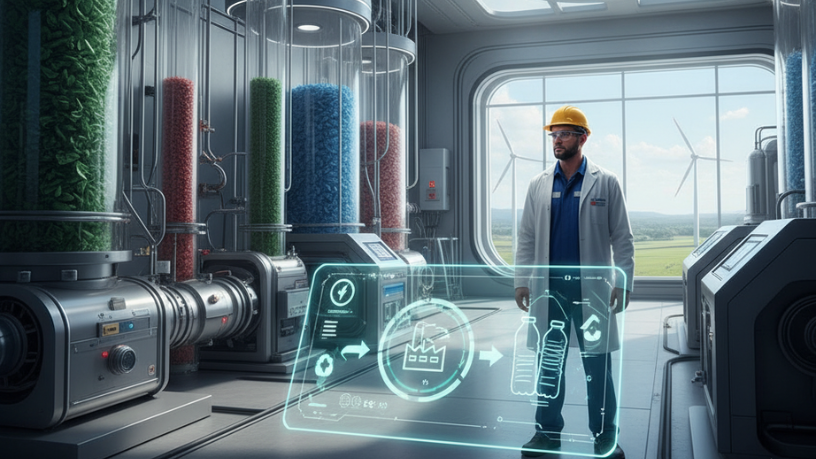

Elias Assum Sabbag Junior, an expert in plastic packaging, explains that the use of renewable energy in plastic production is the definitive path to aligning the petrochemical industry with global decarbonization goals. The balance between the high energy demand of extrusion processes and the adoption of clean sources, such as solar and wind power, is what defines the true sustainability of an industrial plant in the 21st century.
In this article, we will explore how transitioning to a low-impact energy matrix reduces the carbon footprint of the final product and generates long-term operational savings. Follow the nuances of this structural shift and understand how energy efficiency impacts the competitiveness of packaging in the global market. Continue reading to analyze the role of clean energy in polymer manufacturing.
How does the energy matrix influence the carbon footprint of polypropylene?
The process of transforming plastic resins consumes a significant amount of electricity to maintain heating elements and operate extrusion equipment. When a factory relies on fossil-based energy sources, it transfers this environmental burden to the packaging, increasing greenhouse gas emissions across the entire supply chain.
Beyond environmental concerns, shifting to renewable energy provides strategic protection against the volatility of electricity tariffs in regulated markets. Investing in proprietary solar plants or migrating to the free energy market enables cost predictability that traditional systems cannot offer. As highlighted by Elias Assum Sabbag Junior, the use of renewable energy in plastic production is reflected in the industry’s ability to become more self-sufficient, ensuring greater resilience in the face of water crises or seasonal price fluctuations.
What are the most efficient technologies for industrial energy transition?
Modernizing an industrial plant involves not only changing the energy source but also improving how energy is consumed on the factory floor. The use of variable frequency drives and high-efficiency motors reduces energy waste, enhancing the benefits gained from renewable sources. The integration of real-time monitoring systems allows companies to identify consumption peaks and adjust machine workloads to periods of higher solar or wind generation.
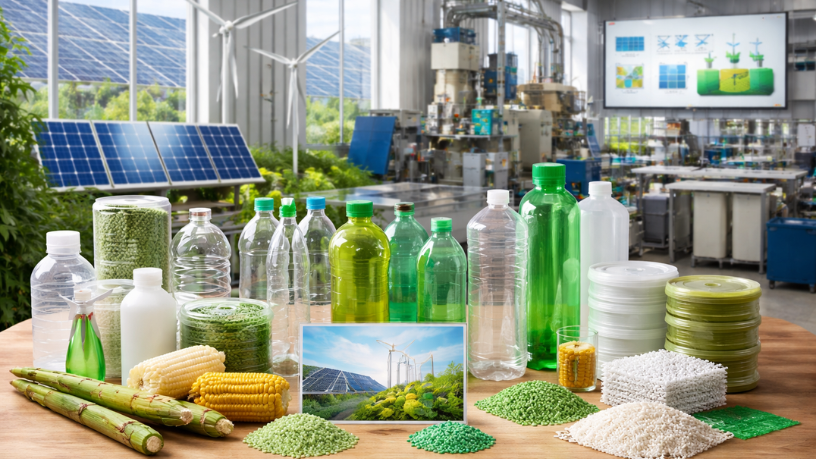
For a complete transition, the industry must evaluate all stages of the production cycle, from mold cooling to internal logistics. The use of renewable energy in plastic production requires both financial and technical reengineering. Below are the key benefits of adopting clean energy in the processing sector:
Significant reduction in fixed operational costs after the investment payback period;
Strengthening of corporate image among ESG-focused investment funds;
Opportunity to trade carbon credits in international markets;
Improved thermal efficiency of machinery through heat recovery systems.
Can renewable energy accelerate the circular economy in the sector?
The reprocessing of recycled materials also requires energy, and using clean sources completes the sustainability cycle. Recycling becomes far more competitive when the electricity used in grinding and pelletizing comes from renewable sources.
As emphasized by Elias Assum Sabbag Junior, the use of renewable energy in plastic production lies in the ability to transform waste into new resources with zero emissions, reinforcing plastic’s role as an essential material for the future of the planet. In this way, energy management becomes a key ally of materials engineering. The industrial plant shifts from being a passive consumer of resources to an active contributor to environmental preservation.
The future of the petrochemical industry depends on balancing production and preservation
The success of a sustainable industrial strategy depends on the ability to balance high productivity with responsible energy use. As summarized by Elias Assum Sabbag Junior, the discussion around renewable energy in plastic production shows that true competitiveness stems from a systemic awareness of natural resources. By consolidating a clean and innovative business environment, the Brazilian plastics sector demonstrates its ability to face global challenges, ensuring economic progress that values nature without compromising the technological demands of the market.
Author: Diego Rodríguez Velázquez