
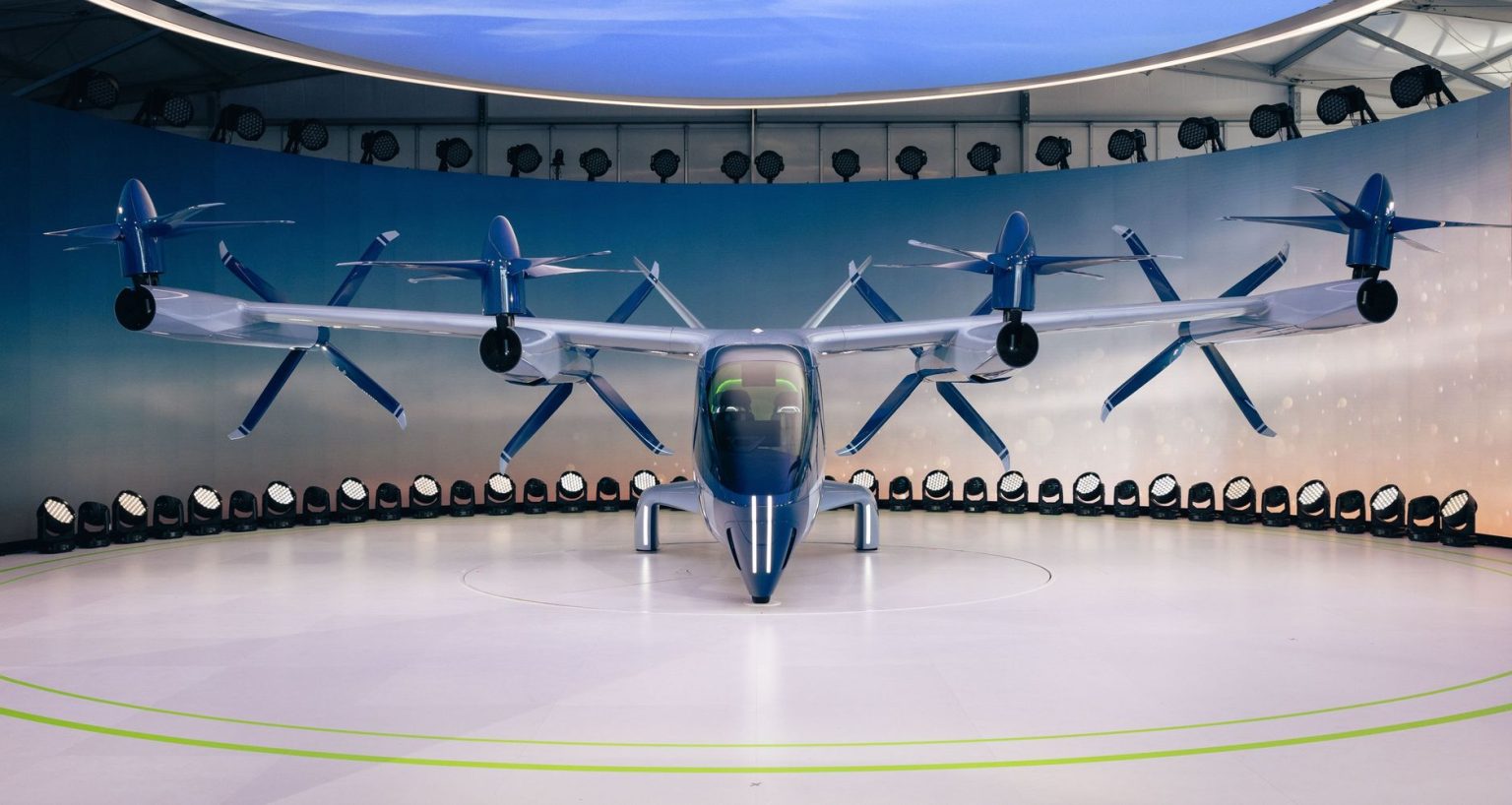

The United States has begun testing the operational conditions that could support electric air taxis, autonomous aircraft and other advanced air mobility services. The first demonstration under the federal Advanced Air Mobility Integration Pilot Program, known as eIPP, took place on September 10, 2026, at Perot Field Fort Worth Alliance Airport in Fort Worth, Texas.
The event brought together aircraft from BETA Technologies and Joby Aviation, along with the Texas Department of Transportation. The initiative is designed to move beyond demonstrations of individual aircraft and examine how new types of aviation could function within existing transportation networks, airports and national airspace.
According to the Federal Aviation Administration, the Texas project is expected to support regional flight development connecting Dallas, Austin, San Antonio and, eventually, Houston. One of the first planned operations would link Fort Worth airport with Dallas-Fort Worth International Airport.
What the U.S. eVTOL program is testing
Electric vertical takeoff and landing aircraft, or eVTOLs, are being considered for several uses, including passenger transportation, regional flights, cargo logistics and emergency medical response. The federal program also includes autonomous operations and applications connected to the energy sector.
The eIPP was created to establish partnerships among federal agencies, state and local governments, tribal or territorial authorities and private companies. Rather than relying only on laboratory trials or isolated prototypes, the program is intended to generate operational data from real-world environments that can inform future regulations.
The U.S. Department of Transportation selected eight projects in March 2026. Together, they cover 26 states and address different transportation scenarios, from urban passenger services to regional connectivity, deliveries, medical missions and autonomous flight.
Why regulation is central to the technology
The central question is not simply whether an aircraft can take off vertically or fly using electric propulsion. Regulators must determine how these vehicles will be certified, how pilots will be trained, how flight routes will be managed and how operations will coexist with conventional airplanes and helicopters.
Infrastructure is another unresolved issue. Commercial services would require suitable vertiports, charging systems, maintenance facilities and procedures for passenger boarding and emergency response. The program can help identify which parts of that infrastructure are necessary before operators attempt to expand service at a larger scale.
Noise, automation and public acceptance are also likely to influence the pace of adoption. Even if an aircraft meets technical safety requirements, communities and passengers may still question how often these vehicles should operate, where they should fly and who will be responsible when an autonomous system encounters an unexpected situation.
Texas demonstration offers a regional test case
Texas provides a geographically significant setting for the initial demonstration because the project is linked to a planned network among several major cities. The proposed connections involving Dallas, Fort Worth, Austin, San Antonio and Houston could allow authorities and companies to examine how advanced air mobility fits into a large regional transportation system.
The first planned connection between Fort Worth and Dallas-Fort Worth International Airport also illustrates the practical focus of the program. Instead of presenting eVTOL aircraft only as futuristic personal vehicles, the route would test their potential role in airport access and regional transportation.
However, the demonstration does not mean that widespread commercial air taxi service has already begun. The purpose of the eIPP is to collect evidence and develop operational frameworks that can guide safe integration. The FAA’s explanation of the program emphasizes the role of partnerships and data in preparing those frameworks.
Research infrastructure is expanding
The federal effort also includes investment in research capacity. On June 25, 2026, the FAA began construction of a facility in Oklahoma City dedicated to advanced air mobility research. The site is expected to support work involving electric and hybrid aircraft, adding a research component to the operational demonstrations taking place in states such as Texas.
These activities show that the U.S. eVTOL program is focused on more than promoting a new category of aircraft. Its broader objective is to determine what rules, infrastructure and procedures are required before electric air taxis and autonomous aviation can become part of regular transportation.
The results from the eight pilot projects may therefore influence future federal policies covering passenger flights, cargo delivery, emergency services and energy-related operations. For now, the demonstrations represent an attempt to replace broad promises about “flying cars” with measurable evidence about safety, integration and public use.