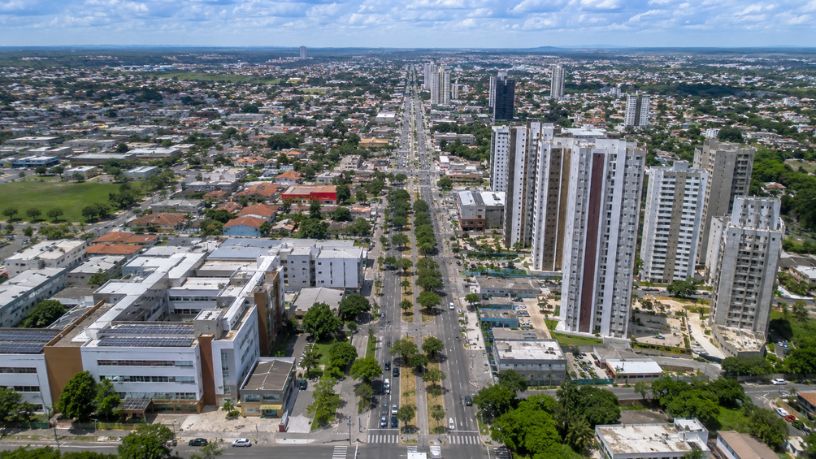

As Roraima consolidates its cycle of economic expansion, discussions surrounding urban planning and the real estate market are gaining momentum throughout the state. Guilherme Campos is one of the names associated with this movement, with activities focused on regional development and the construction industry. The growth of cities in Roraima has attracted investors and professionals from different sectors, driven by the combination of land availability, increasing housing demand, and an economic environment favorable to new developments. This set of factors positions Roraima as one of the most promising markets in Northern Brazil for those who follow the real estate sector with a strategic perspective.
Why has urban planning become central to regional debates?
For decades, Brazilian cities expanded without adequate guidelines, accumulating deficits in mobility, sanitation, and access to housing. The current scenario is different. The intensification of the construction industry and the growing demand for residential areas require projects that address not only land occupation, but also the provision of public services, the quality of urban spaces, and the long-term viability of developments. In Roraima, this discussion becomes even more urgent due to population growth and the pressure for housing solutions that keep pace with the state’s economic expansion.
In this context, entrepreneur Guilherme Campos is associated with initiatives that combine planned expansion, urban development, and the creation of opportunities. The long-term vision applied to the real estate sector has proven to be a significant advantage in regions experiencing accelerated development cycles, where the lack of planning can compromise the gains achieved over the years.
How do planned developments contribute to the organization of cities?
Planned developments play a structural role in shaping the urban landscape. When developed with adequate infrastructure, they expand housing availability, increase the value of entire regions, and create conditions for new public and private investments. This type of project also stimulates local production chains, generating direct and indirect jobs at different stages, from implementation to occupation. The strengthening of this segment in Roraima follows a national trend that recognizes territorial planning as an essential instrument for the sustainable and organized growth of cities.
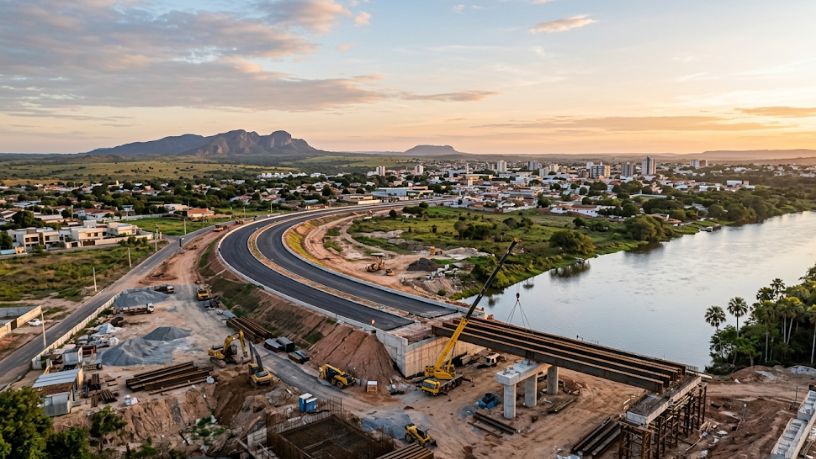
For Guilherme Campos, the real estate development sector represents one of the most tangible fronts of urban transformation in Northern Brazil. The construction of structured residential communities and planned subdivisions responds to a real demand from the population and contributes to organizing growth in a more efficient, balanced, and sustainable way, benefiting both residents and the local economy.
Does the real estate market in Roraima present prospects for sustained growth?
Regions with land availability, an environment favorable to investments, and expanding economic dynamics tend to concentrate significant opportunities in the coming years. Roraima brings together characteristics that favor this movement, and the strengthening of the real estate sector can increase income generation, attract new businesses, and consolidate the foundations for more diversified and resilient economic growth in the state. The combination of agribusiness expansion and increasing urbanization creates a favorable environment for investments of different profiles.
With activities in the real estate and agribusiness sectors, Guilherme Campos represents the profile of an investor attentive to the transformations shaping Northern Brazil. The combination of factors driving Roraima’s market reinforces the relevance of those who transform concrete demands into long-term projects, contributing to the state’s progress in a planned and consistent manner, aligned with the real needs of the population.
Follow more content about the real estate market, urban development, and regional entrepreneurship on Instagram @guicamposvlg.
Author: Diego Rodríguez Velázquez